Malta’s journey toward a solar-powered future is a story of steady, pragmatic evolution. For a small, densely populated island with no domestic fossil fuel resources, the shift to renewables was never just an environmental aspiration; it was a matter of energy security and economic necessity. Since the early 2000s, a complex tapestry of European directives, national legislation, financial incentives, and private enterprise has transformed Malta’s rooftops into a decentralized power grid. This Insight traces that legislative and commercial journey, from the first tentative grants for solar water heaters to the sophisticated battery storage systems that now keep the lights on during grid outages.
The Foundation: Early Legislation and the First Tentative Steps (2000–2009)
The legal groundwork for Malta’s renewable energy transition was laid shortly after the turn of the millennium. The Malta Resources Authority Act of 2000 established the institutional framework for regulating energy and water, creating the body that would oversee the sector’s development. However, the real catalyst was Malta’s obligation to transpose EU Directive 2001/77/EC on the promotion of electricity from renewable sources.
This transposition occurred through Legal Notice 186 of 2004, which brought the Promotion of Electricity produced from Renewable Energy Sources Regulations into force on 30 April 2004. The regulations were explicit in their purpose: to promote renewable energy’s contribution to electricity production and to create a basis for future development. They tasked the Malta Resources Authority with identifying national indicative targets for renewable electricity consumption over the next decade and reporting on progress. This was a foundational moment, signaling that renewable energy was no longer a niche interest but a matter of national policy.
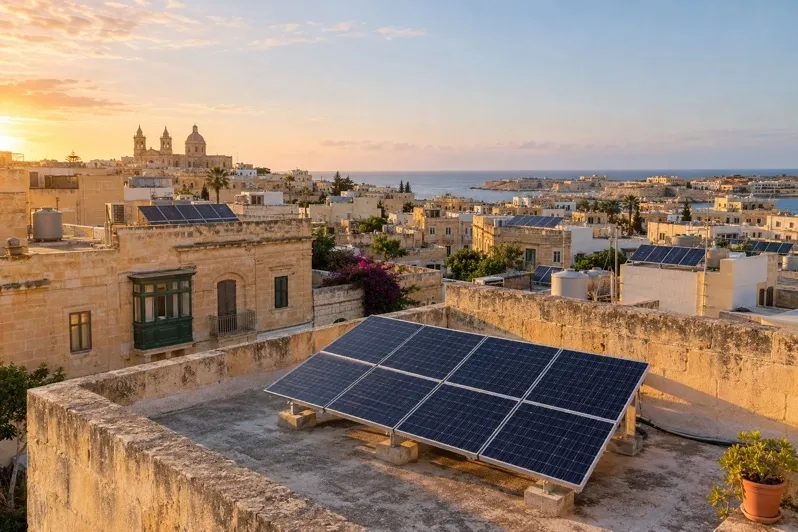
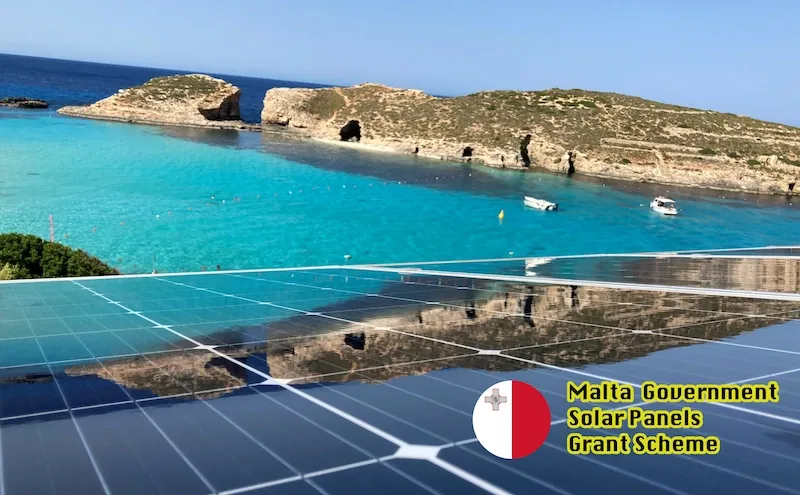
Legislation alone, however, was not enough to spur mass adoption. The government recognized that financial incentives were needed to overcome the high upfront costs for households. The first market intervention came in 2005, with a modest grant scheme for solar water heaters. The initial maximum grant was €116.48, and uptake was low. The following year, the government doubled the maximum grant to €232.94 and expanded the scheme to include small photovoltaic (PV) systems, offering a grant of 20% on the purchase price for domestic installations between 1 kWp and 3.7 kWp. Uptake tripled as a result. These early grants were the first practical signals to Maltese households that the state was prepared to share the cost of the transition.
The Game Changer: Feed-in Tariffs and the Residential Solar Boom (2010–2015)
While grants reduced the initial cost, the real breakthrough for residential solar came with the introduction of feed-in tariffs (FiTs). Prior to September 2010, any excess electricity exported to the grid was compensated through a net metering arrangement, which carried a spill-off tariff of just €0.069 per kWh. This provided little financial incentive to export power.
Everything changed on 10 September 2010, when the government introduced its first FiT scheme for PV systems. The rates were transformative: €0.25 per kWh for installations in Malta and €0.28 per kWh for those in Gozo, guaranteed for eight years. For the first time, households could see a clear, long-term return on their solar investment, turning their roofs into small-scale power plants. The scheme included a cap—exports over 4,800 kWh were paid at a lower rate of €0.11 per kWh—but the message was clear: generating your own electricity was now financially viable.
The policy framework continued to mature. The National Energy Policy of 2012 provided a strategic vision, focusing on sustainability, security of supply, and affordability, while explicitly supporting the sustainable development of renewable sources. In 2013, the FiT regulations were amended to distinguish between roof-mounted and ground-mounted systems, with rates set at €0.18 per kWh for roof-mounted installations.
A significant institutional shift occurred in 2015 with the establishment of the Regulator for Energy and Water Services (REWS) through Act XXV of 2015. REWS took over the regulatory responsibilities for energy and water, becoming the central administrator for FiT schemes, grant programs, and consumer protection in the energy sector. This consolidation created a more coherent and professional regulatory environment for the growing renewable energy market.
The Maturing Market: Policy Refinement, Battery Storage, and the 2030 Horizon (2016–Present)
As solar PV penetration grew, the policy focus shifted from simply encouraging installation to managing the grid and integrating storage. The Solar Farms Policy of 2017 addressed the need for larger-scale generation by defining a solar farm as a commercial installation with a footprint larger than 1,000 m² and directing such developments toward brownfield sites like car parks, industrial rooftops, and disused quarries.
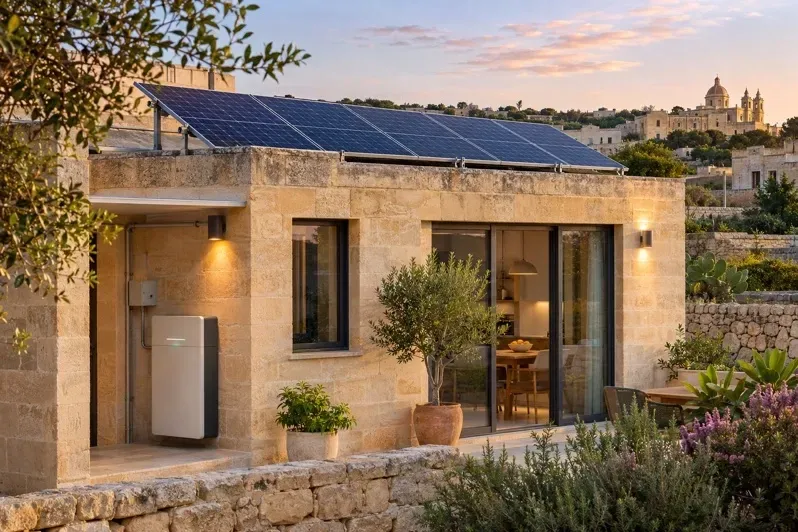
The most recent and perhaps most consequential policy evolution has been in battery storage. The devastating nationwide power cuts of 2023, caused largely by overheating underground cables, exposed the vulnerability of the grid and dramatically increased consumer interest in self-sufficiency and backup power. The government responded with substantial grant schemes. The 2024 Renewable Energy Sources (RES) Scheme provided 80% of eligible battery storage costs, up to a maximum of €7,200 per system (capped at €720 per kWh). For Gozo households, the 2025 scheme increased coverage to 95%, up to a maximum of €8,550. These generous incentives have made home battery systems an accessible reality for many Maltese families, transforming the value proposition of a solar installation from one of bill reduction to one of genuine energy independence.
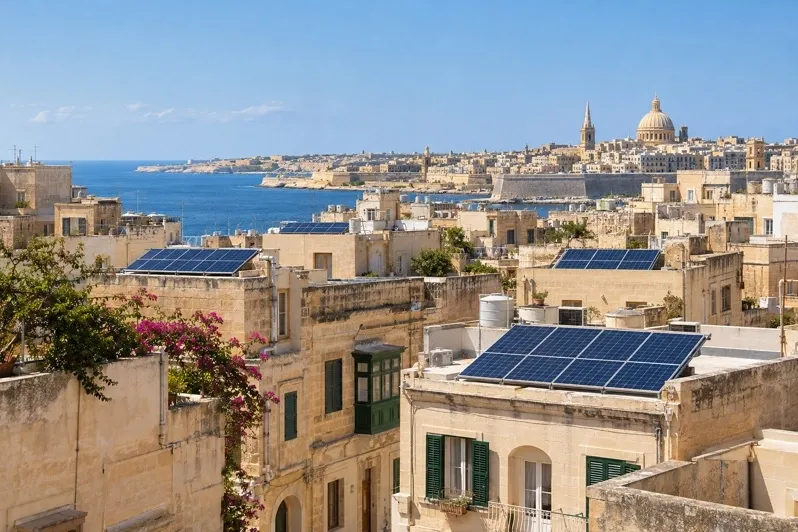
This trajectory aligns with Malta’s updated National Energy and Climate Plan (NECP) , which targets a 25% renewable energy share by 2030. Solar PV is central to this goal, with projections indicating it will account for 42% of Malta’s renewable energy contribution by 2030 and reach a capacity of 350 MW. The plan explicitly recognizes that energy storage and a second interconnector with Italy are essential to manage the intermittent nature of solar generation.
The Commercial Ecosystem: Virtue Solaris and the Rise of Integrated Home Energy Systems
Legislation and grants created the market, but private companies built the solutions. Among the key players in Malta’s solar landscape is Virtue Solaris. Virtue Solaris has positioned itself as a one-stop provider for solar panels, battery storage, and off-grid solutions, reflecting the market’s shift toward comprehensive home energy management.
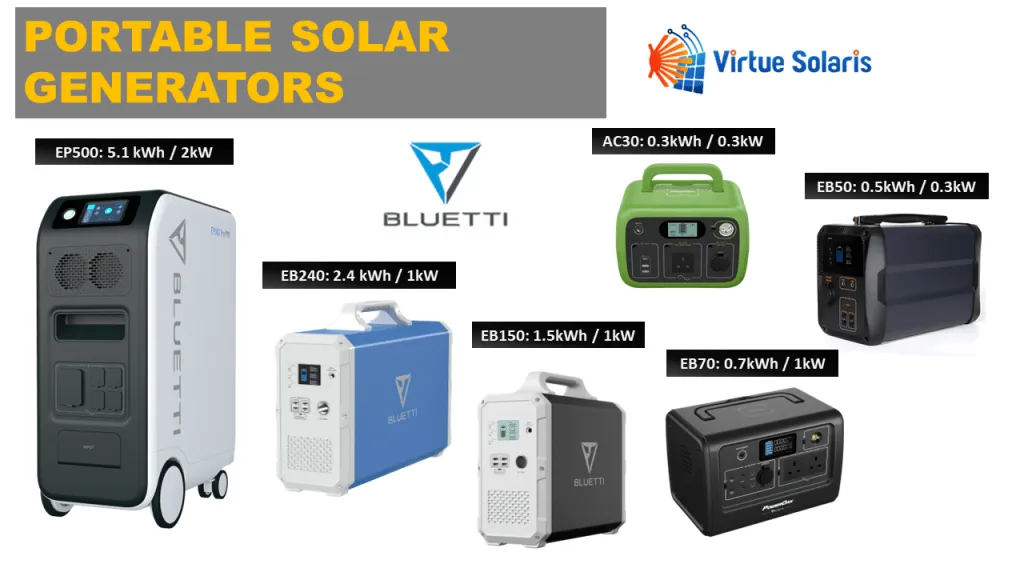
A distinctive element of Virtue Solaris’s offering is its partnership with Bluetti, a global leader in portable power stations and battery storage. Virtue Solaris offers Bluetti’s flagship products, catering to a wide spectrum of applications, from campers and fishermen to residential backup power. This partnership is particularly relevant in the Maltese context. Following the 2023 power cuts, Virtue Solaris explicitly marketed Smart Self-Sufficient Home packages that combine premium solar PV systems with smart home battery storage and backup boxes to keep essential loads running during grid failures.
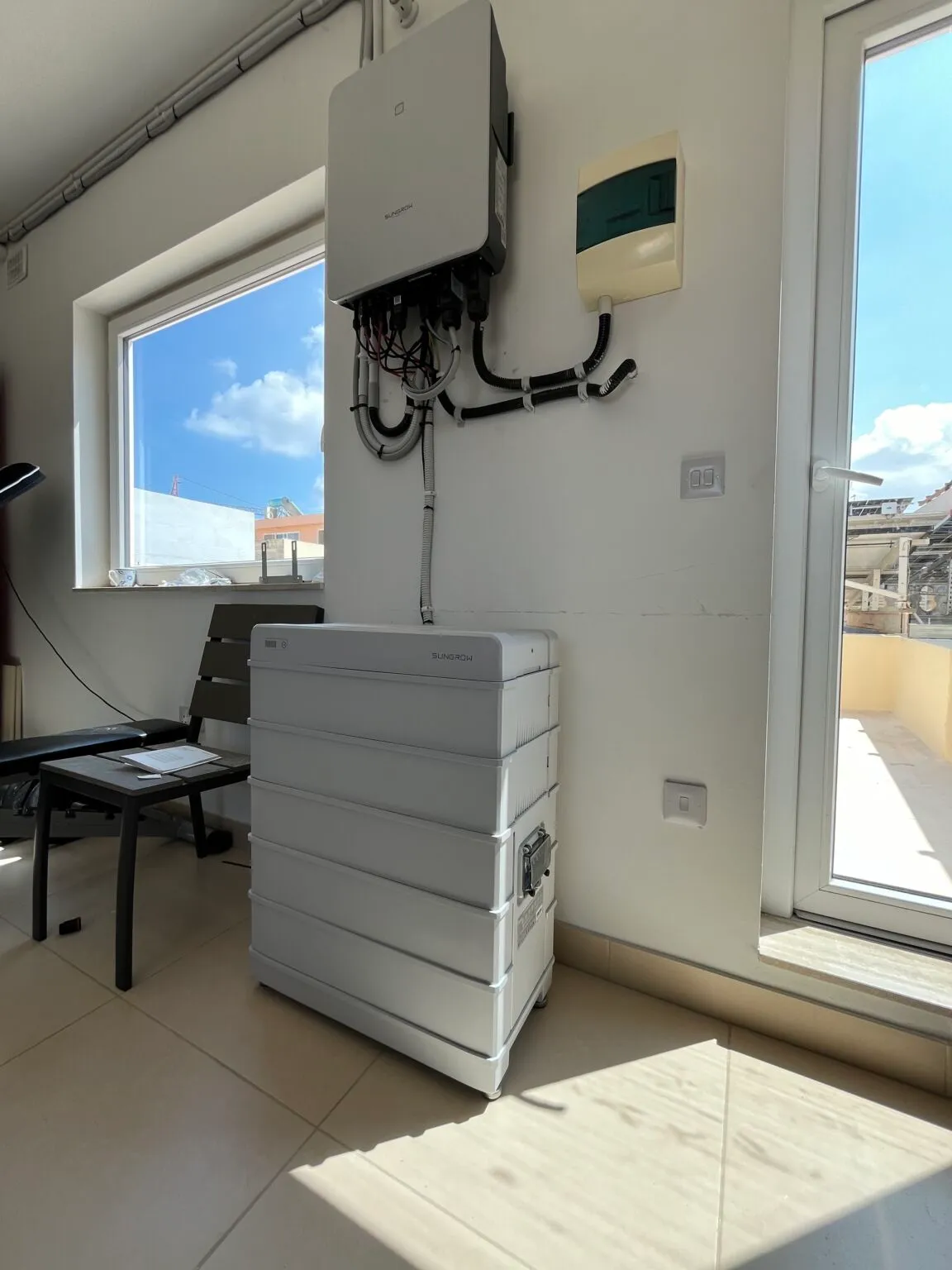
The technical guidance provided by Virtue Solaris also illustrates the maturing of the market. The company works with top-tier battery brands including Huawei, Sungrow, and Bluetti, offering systems that scale from 5 kWh to over 30 kWh to suit different household needs. This level of choice and technical sophistication—where consumers can select modular LFP battery systems with built-in backup capability—was unimaginable in the era of the first €116 solar water heater grants.
The Road Ahead
Malta’s renewable energy legislation has evolved from a compliance-driven transposition of EU directives into a sophisticated, multi-layered framework designed to meet ambitious 2030 targets. The journey has been marked by a clear learning curve: from modest capital grants to generous feed-in tariffs, from a simple net metering arrangement to complex, differentiated FiT schemes, and now to substantial subsidies for battery storage that empower households to become truly energy self-sufficient.
The statistics confirm the scale of the transformation. By the end of 2023, Malta’s cumulative installed PV capacity had exceeded 241 MWp. By 2025, there were over 36,000 grid-connected PV installations across the islands. The challenge now is no longer simply installing more panels, but integrating them intelligently. The combination of a supportive regulatory framework, a competitive commercial ecosystem with companies like Virtue Solaris, and a Maltese public that has experienced both the promise and the fragility of the grid suggests that Malta’s solar story is entering its most resilient and self-determined chapter yet.